
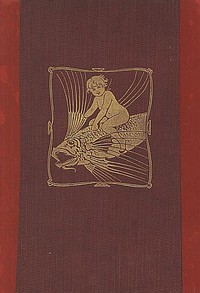
The Water-Babies: A Fairy Tale for a Land-Baby by Charles Kingsley
So, you pick up a book called The Water-Babies, expecting a sweet little Victorian fairy tale. You are not prepared. This book is a trip.
The Story
We meet Tom, a grimy, overworked chimney sweep who’s had a pretty rough go of it. After a misunderstanding, he flees and tumbles into a river, where he… well, he doesn’t drown. Instead, he sheds his old body like a shell and is reborn as a tiny, amphibious ‘water-baby.’ His new home is a fantastical river and ocean, filled with chatty salmon, dragonflies, and all manner of creatures. But this isn’t just a fun holiday. Guiding Tom are mysterious figures like the stern Mrs. Bedonebyasyoudid and the kinder Mrs. Doasyouwouldbedoneby. Tom’s journey becomes a quest for moral growth. He has to learn kindness, courage, and selflessness to earn a chance at something greater. It’s a classic transformation story, but set in a vividly imagined (and sometimes downright silly) underwater universe.
Why You Should Read It
Look, this book is not a smooth, modern narrative. Kingsley constantly breaks the ‘fourth wall,’ digressing into rants about science, politics, and the social ills of his day—especially child labor. That’s the real heart of it. The fantasy is a wrapper for Kingsley’s fury at how society treated children like Tom. The fairy tale logic—where being ‘clean’ is a spiritual goal—is his argument for giving every child a chance. It’s this bizarre mix that’s so compelling. One chapter Tom is having an adventure with a lobster, the next you’re getting the author’s hot take on the latest scientific debate. It’s messy, opinionated, and bursting with imagination. You’re not just reading a story; you’re getting a direct line to a passionate, quirky Victorian mind.
Final Verdict
This book is perfect for readers who love classic literature but want something off the beaten path. It’s for anyone interested in the history of children’s literature, social reform, or just wonderfully odd stories. If you need a neat, straightforward plot, you might get frustrated. But if you can embrace its eccentric, sermonizing, and wildly creative spirit, you’ll find a one-of-a-kind gem. Think of it as a historical artifact that’s still alive, still splashing about, and still asking us what it means to be good.
Legal analysis indicates this work is in the public domain. It is now common property for all to enjoy.
Andrew Nguyen
10 months agoIf you enjoy this genre, it manages to explain difficult concepts in plain English. Absolutely essential reading.
Charles Johnson
1 year agoIf you enjoy this genre, the plot twists are genuinely surprising. Definitely a 5-star read.
Michael Clark
1 year agoCitation worthy content.

Christopher Hernandez
5 months agoAfter spending a few days with this digital edition, the way the author breaks down the core concepts is remarkably clear. Simple, effective, and authoritative – what else could you ask for?